
This is because every transaction has a credit and debit entry or an effect with dual consequences. If not, there is an error or inaccuracy in the ledger entries. It is the primary account statement from which several financial statements like the Balance sheet or P&L or Trading and Profit & Loss account and more are prepared. A trial balance is a financial report that lists all general ledger account balances at a specific date, primarily used to verify that total debits equal total credits in a double-entry accounting system.
Trial Balance vs. Financial Statement

There are three main types of trial balance reports that you can run, with each trial balance run during a specific part of the accounting cycle. The link between accrual accounting, adjustments, and closing entries is crucial. It strengthens the core of corporate accounting and promotes transparency and accountability.

How the Post-Closing Trial Balance Influences Business Valuation and Fiscal Health
It affects important financial measures like the earnings retention ratio. The Income Summary account is where these entries are summarized, reflecting a business’s profit. This is to ensure things like dividends are correctly taken from net income.
- This document ensures that only permanent accounts remain in the ledger and confirms the books are balanced before the start of a new period.
- Not updating the balances after closing entries will lead to wrong balances from the general ledger being carried forward.
- Good accounting keeps a business financially solid and ready for the future.
- In essence, the company’sbusiness is always in operation, while the accounting cycleutilizes the cutoff of month-end to provide financial informationto assist and review the operations.
- Post-closing trial balance – This is prepared after closing entries are made.
- They are prepared at different stages in the accounting cycle but have the same purpose – i.e. to test the equality between debits and credits.
How is the Post-Closing Trial Balance used in Financial Reporting?
- It transforms the scattered data in the General Ledger into a consolidated, verifiable report.
- For instance, accounts payable and cash stay the same between the pre-closing and post-closing trial balances.
- For accounting students, small business owners managing their own books, and junior accountants, the Trial Balance is more than just a list of numbers; it is a vital checkpoint.
- The post-closing trial balance must reflect the final balances of all your permanent accounts.
- However, they serve fundamentally different purposes within the accounting and reporting process.
- Modern accounting platforms automatically detect transactions requiring accruals based on dates and transaction types.
If you own a publicly traded company, you can prepare quarterly statements. Quarterly adjusting entries facilitate 10-Q filings for public companies and facilitate quarterly performance analysis. Plus, they satisfy lender covenant reporting requirements that you need for contracts. Struggling with time-consuming https://boxfleet.ca/small-business-bookkeeping-services-in-dallas/ manual adjusting entries every month-end?
- Accountants check that debits and credits match in the post-closing trial balance to confirm an accurate period close.
- It is prepared after the accountant has recorded and posted all adjusting entries to the General Ledger.
- Like all of your trial balances, the post-closing balance of debits and credits must match.
- Its sole purpose is verification; it serves as the crucial source document from which the formal, external financial statements will be prepared.
- We do not cover reversing entries in this chapter, but you might approach the subject in future accounting courses.
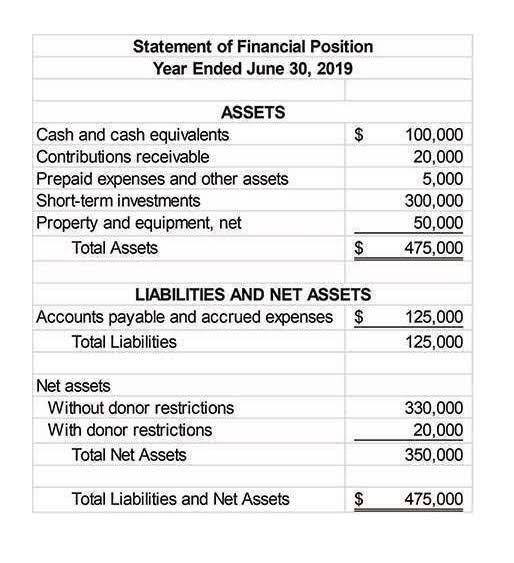
The ATB contains the final, correct balances of all accounts (including the adjusted balances) required to prepare the formal Income Statement and Balance Sheet. Troubleshooting involves carefully reviewing the closing entries, checking the general ledger postings, and re-calculating all balances. Miscalculating totals in the debit and credit columns is an easy mistake to make for small business owners who attempt to do their own accounting. Not updating the balances after closing entries will lead to wrong balances from the general ledger being carried Cash Flow Statement forward. However, if that’s not the case, look at your subsidiary ledgers to make sure that all of your transactions have been properly posted.


If there are any temporaryaccounts on this trial balance, you would know that there was anerror in the closing process. For post closing trial balance example accounting students, small business owners managing their own books, and junior accountants, the Trial Balance is more than just a list of numbers; it is a vital checkpoint. Its primary purpose is to prove the mathematical accuracy of the ledger. If the total of the debit column exactly equals the total of the credit column, the books are considered balanced. This guide will clarify the format, types, and practical significance of this indispensable accounting tool. A Trial Balance is a detailed report that consolidates the closing balance of every account in a company’s general ledger at a specific point in time.